
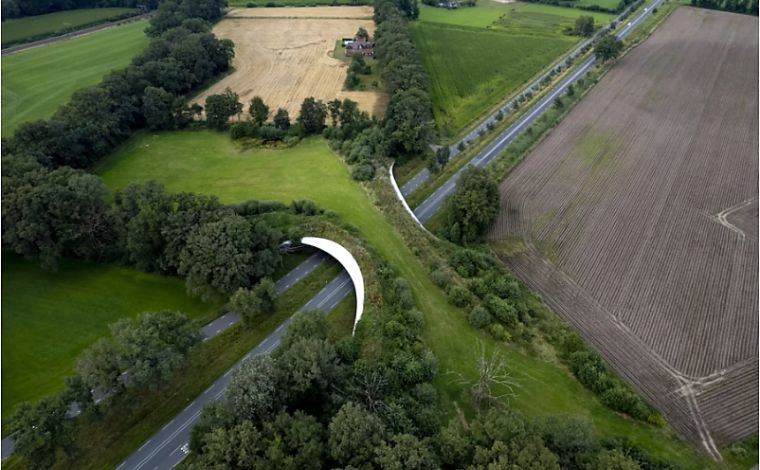
Moving Beyond “Conservation” Traditional land management often treats wildlife as a “hobby” or a “restriction.” In the S&A Trust model, we treat Biodiversity as a measurable metric of land health and a driver of financial yield. A “Wildlife Corridor” (Article 9) is not just a path for deer; it is a biological indicator of soil vitality and water purity. In the 2026 market, “Ecological Assets” are being traded with the same rigor as timber or utility leases. If you aren’t managing your biodiversity, you are leaving an entire category of “Green Alpha” on the table.
The Corridors of Value
We manage the “Wildlife Economy” through a strategy of Edge-Effect Optimization. By creating transition zones between our White Oak stands (Article 10.1) and our ridge-line utility paths (Article 2.1), we maximize the “Biological Interface” of the property.
Our biodiversity management includes:
- Species-Specific Silviculture: We harvest timber in patterns that promote “Early Successional Habitat.” This attracts keystone species, which in turn increases the land’s value for premium recreational leasing and conservation tax credits.
- Bio-Credit Prospecting: We are currently tracking the “Nitrogen Sequestration” and “Pollinator Density” of our lands. These metrics allow the S&A Trust to participate in emerging “Biodiversity Credit” markets, where companies pay landowners to preserve specific ecological niches.
- Hydrological Sanctuaries: By protecting our ridge-line water flow (Article 8.1), we create permanent watering points that stabilize wildlife populations during drought cycles, ensuring the “Biological Hedge” (Article 7.1) remains vibrant and resilient.
The Financial Logic of Life
A property teeming with life is a property that is biologically “active.” This activity accelerates soil nutrient cycling, which leads to faster-growing, higher-quality White Oak. The “Wildlife Economy” is a feedback loop: better stewardship leads to better biodiversity, which leads to higher-value timber and premium lease opportunities. At House Cotman, we don’t choose between “Nature” and “Profit”—we use Nature to ensure Profit is sustainable for the next 100 years.
Author Bio
Authored by Jamiel Cotman, Principal Trustee of S&A Trust. With an extensive background in utility infrastructure and industrial logistics, Mr Cotman bridges the gap between raw land stewardship and the high-stakes world of mill operations. He manages S&A Trust with a focus on institutional-grade asset protection for the American landowner.
Citations