
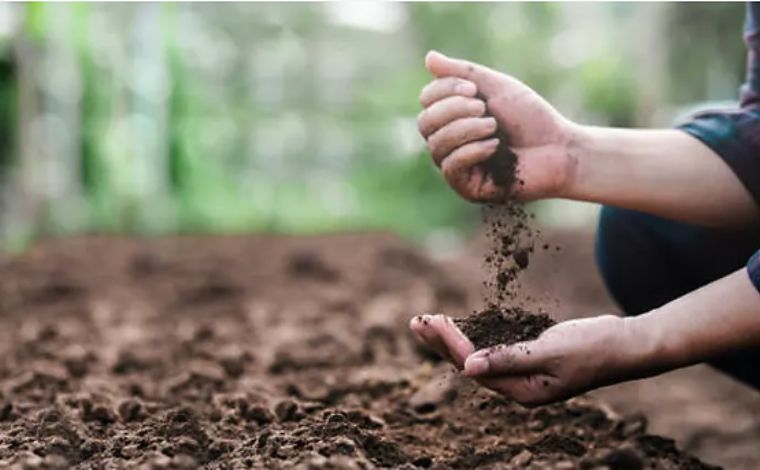
To the untrained eye, dirt is just dirt. But to the land steward, soil is the “DNA of the Asset.” Every investment made above the ground—whether it is planting White Oak or building a utility access road—is ultimately dependent on the chemical and physical composition of what lies beneath. At the S&A Trust, we utilize the USDA Land Capability Classification to ensure we are never “fighting the land,” but rather leaning into its natural strengths.
The primary metric we track is the National Commodity Crop Productivity Index (NCCPI). While this index was originally designed for corn and soybeans, it has become a vital tool for forestry. A high NCCPI score in a forested tract like Annfield indicates “Elite Site Productivity.” This means the soil has the perfect balance of moisture retention, aeration, and nutrient availability to support rapid diameter growth in hardwoods. In a timber market where “Time is Money,” a tree that reaches maturity in 50 years instead of 70 represents a massive increase in the internal rate of return (IRR).
Our soil audit at Annfield focuses on two key factors
Drainage and Compaction. High-quality hardwoods like White Oak thrive in “Well-Drained Loams.” If the soil is too wet, the roots can rot; if it is too compacted, the trees become stunted. By identifying the “Mapping Units” across our 24.25 acres, we can designate specific zones for different uses. The “High-Productivity” loams are reserved for our timber core, while the “Higher-Clay” areas—which offer better structural stability—are slated for infrastructure development and access roads.
Regenerative stewardship also means protecting the Soil Organic Matter (SOM). Industrial logging often strips the topsoil, leaving the land barren for decades. Our “Field Intelligence” approach prioritizes low-impact harvesting that leaves the forest floor intact. This preserves the “Mycorrhizal Network”—a vast underground web of fungi that trades nutrients for tree sugars. This hidden economy is what allows our forest to maintain a 92 Mean Vegetation Health Score even during dry seasons.
By documenting our soil’s “Capability Class” in the S&A Trust Data Room, we are removing the largest variable in land investment: Risk. We aren’t guessing if the trees will grow or if the road will wash away; we have the USDA data to prove it. In 2026, data is the most valuable fertilizer we have.
Dig into the Data. Understanding the soil is the first step in de-risking your investment. Request the Full Soil Productivity Audit for Annfield [Here].
The Carbon Secret: Soil actually stores more carbon than all the world’s vegetation and atmosphere combined. By maintaining “Healthy Soil” through regenerative practices, the S&A Trust is creating a “Carbon Bank” that can be monetized in the emerging green finance markets of 2026.
Related Articles
- The White Oak Alpha: Managing for 2030 Harvests
- Regenerative Hydrology: Water Management on the Ridge
Author Bio Authored by Jamiel Cotman, Principal Trustee of S&A Trust. With an extensive background in utility infrastructure and industrial logistics, Mr Cotman bridges the gap between raw land stewardship and the high-stakes world of mill operations. He manages S&A Trust with a focus on institutional-grade asset protection for the American landowner.