
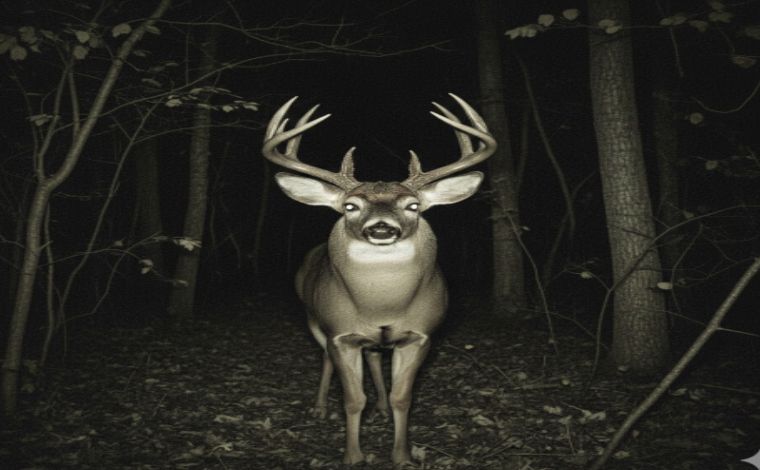
A monoculture forest is a fragile forest. At S&A Trust, we believe that high-value timber thrives best in a high-biodiversity ecosystem. The Annfield tract is managed as a Wildlife Corridor—a contiguous stretch of habitat that allows native species to migrate, forage, and breed. This isn’t just a “conservation” play; it is a “productivity” play.
A diverse ecosystem provides “Natural Pest Management.” Birds, bats, and predatory insects keep the populations of wood-boring beetles and leaf-eaters in check, protecting our White Oaks without the need for chemical interventions. Furthermore, wildlife—particularly deer and small mammals—act as “nutrient transporters,” moving organic matter across the tract and enriching the soil profile through the natural cycle of life.
By preserving the “Mast” production (acorns) of our mature oaks, we ensure that the property remains a “Hub” for local fauna. This biodiversity creates a resilient forest that can better withstand disease and environmental stress. In the S&A Trust model, the owl in the canopy and the fox on the ridge are indicators of a “92 Score” asset that is functioning at peak biological capacity.
Explore the Wild. Download our 2026 Biodiversity Observations and Habitat Map in the [Environmental Folder].
The Keystone Species: The White Oak is considered a “Keystone Species” because it supports over 500 species of Lepidoptera (butterflies and moths), which in turn feed the entire forest food web. When you save the Oak, you save the system.
Related Articles
- The 92 Mean: Understanding Biomass Health
- Regenerative Hydrology: Water Management on the Ridge
Author Bio
Authored by Jamiel Cotman, Principal Trustee of S&A Trust. With an extensive background in utility infrastructure and industrial logistics, Mr Cotman bridges the gap between raw land stewardship and the high-stakes world of mill operations. He manages S&A Trust with a focus on institutional-grade asset protection for the American landowner.