
The Problem with Static Planning Most estate plans fail because they are “snapshots” of today that fail to govern the “chaos” of tomorrow. When an estate involves complex assets like wildlife corridors, hydrology management systems, and ridge-line utility leases, you cannot simply leave them to “the kids” and hope for the best. Without a governing mandate, the asset eventually fractures as heirs disagree on harvest cycles, access rights, or reinvestment strategies.
The House Cotman Governance Model
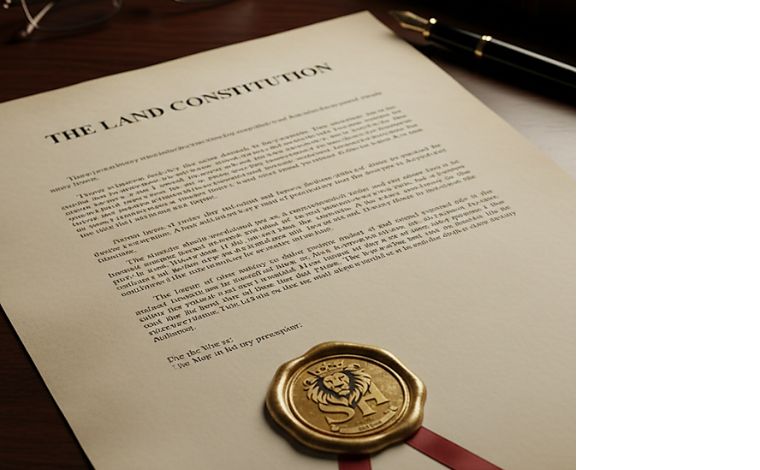
The S&A Trust introduces the “Land Constitution.” This is a binding set of Stewardship Standards that run with the land in perpetuity. We codify the “Rules of the Ridge” so that the next generation doesn’t have to guess.
- Biological Reinvestment: A mandatory 15% of all utility lease revenue must be reinvested into soil health and water management.
- Operational Privacy: The “Managing Ingress” protocols (Article 6) are legally enforced, ensuring the family’s privacy is never traded for short-term profit.
- The Timber Cycle: Hardwood stands are harvested on a biological schedule, not a market schedule, preserving the “White Oak Gold” for the next 50 years.
Stability through Stewardship
By establishing this constitution, you are giving your heirs something far more valuable than land: you are giving them a Vision. As a Principal Trustee, my role is to act as the Guardian of this Vision, ensuring that the “Hundred Year View” remains the north star of every decision made on the property.
Author Bio
Authored by Jamiel Cotman, Principal Trustee of S&A Trust. With an extensive background in utility infrastructure and industrial logistics, Mr Cotman bridges the gap between raw land stewardship and the high-stakes world of mill operations. He manages S&A Trust with a focus on institutional-grade asset protection for the American landowner.