
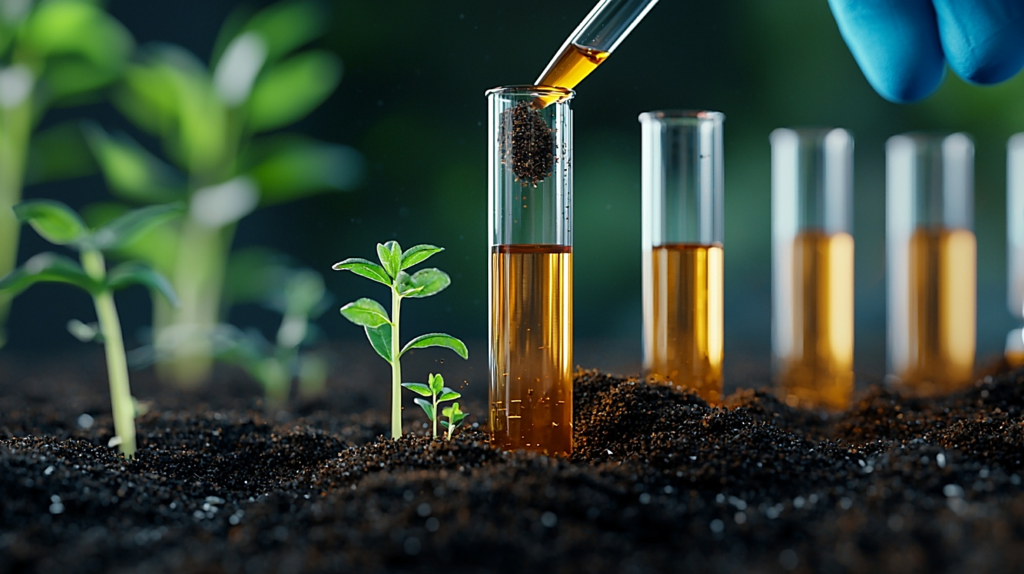
Moving Beyond the “Acre” Price Traditional real estate appraisals often treat rural acreage as a monolithic asset, adjusting prices primarily based on location or road frontage. However, for a high-value Trust, the true “Freehold Value” is found beneath the surface. By utilizing the USDA Soil Capability Index, S&A Trust establishes an objective, data-driven framework for appraisal that accounts for the long-term income potential of the land, rather than mere market speculation.
The Economic Multiplier of Class I & II Soils
In the S&A valuation model, land classified as Class I or II (Prime Farmland) carries a premium capitalization rate. These soils represent “low-input, high-yield” environments where moisture retention and nutrient availability are naturally optimized. Conversely, Class III and IV soils—while productive—require higher capital expenditures (CapEx) for drainage and erosion control. By indexing the lease rate to these specific LCC (Land Capability Class) designations, we ensure that the Trust’s asset value reflects the actual biological wealth of the tract.
Case Study Snapshot:
The Piedmont Appreciation Model A 200-acre tract in the Virginia Piedmont was recently appraised using standard “Comparable Sales” at $4,500/acre. S&A Trust performed a Soil-Based Audit, revealing that 85% of the acreage consisted of Subclass 2e soils (high productivity with manageable erosion). By applying the Virginia SLEAC Use-Value Index, we demonstrated a 22% higher “Net Productive Value” to the estate’s heirs. This turned a stagnant real estate asset into a high-performing “Biological Engine” with a documented path for inflation-hedged growth.
Author Bio
This article was authored by Jamiel Cotman, Principal Trustee of S&A Trust. Combining his background in utility infrastructure with a deep focus on Soil Quality and Forest Site Productivity, [Your Name] specializes in modernizing the way rural estates are valued. He is a proponent of “The 100-Year Regenerative Mandate,” ensuring land wealth is measured by its lasting productivity.